
Best Crash Games for Blackjack Fans
Summer bankrolls can disappear fast in June, July, and August, so the smartest blackjack players use a tighter math lens when they test crash games through Khelo24Match. A blackjack habit built on discipline, hand values, and risk control transfers well to crash mechanics, but only if the numbers are respected from the first stake.
If you already think in expected loss, hit frequency, and session length, the crossover is natural. The right Best crash games for blackjack fans should feel less like blind chasing and more like a controlled decision tree, where every cash-out point has a measured cost.
Among modern studios, Hacksaw Gaming stands out because its crash-style titles tend to push clean pacing and sharp multiplier swings, which suits players who are used to making fast but reasoned calls under pressure.
Why blackjack math maps cleanly onto crash games
Blackjack fans already understand one core truth: a small edge, repeated many times, creates the real result. Crash games work the same way, except the “edge” is usually hidden inside the multiplier curve and the cash-out timing. If a player stakes $10 and exits at 1.80x, the gross return is $18, which means an $8 gain before any house edge or volatility effect is considered. That simple structure feels familiar to anyone who has calculated whether a 12 against a dealer 6 is worth a hit or a stand.
The math gets clearer when you measure session volume. Ten rounds at $10 each is $100 at risk. If your average exit is 1.60x, your theoretical gross return per successful round is $16. If you win 6 out of 10, the gross payout is $96, which means you are close to break-even before fees, game edge, or failed rounds are counted. That is why blackjack players often prefer crash titles with lower, steadier targets rather than wild max-chasing behavior.
- Stake: $10
- Target cash-out: 1.75x
- Gross return on win: $17.50
- Net profit on win: $7.50
- Break-even win rate before edge: 57.14%
That 57.14% figure matters because it shows how quickly a “safe” target can still demand accuracy. In blackjack terms, it is the same mental discipline as refusing a bad double-down just because the table feels hot.
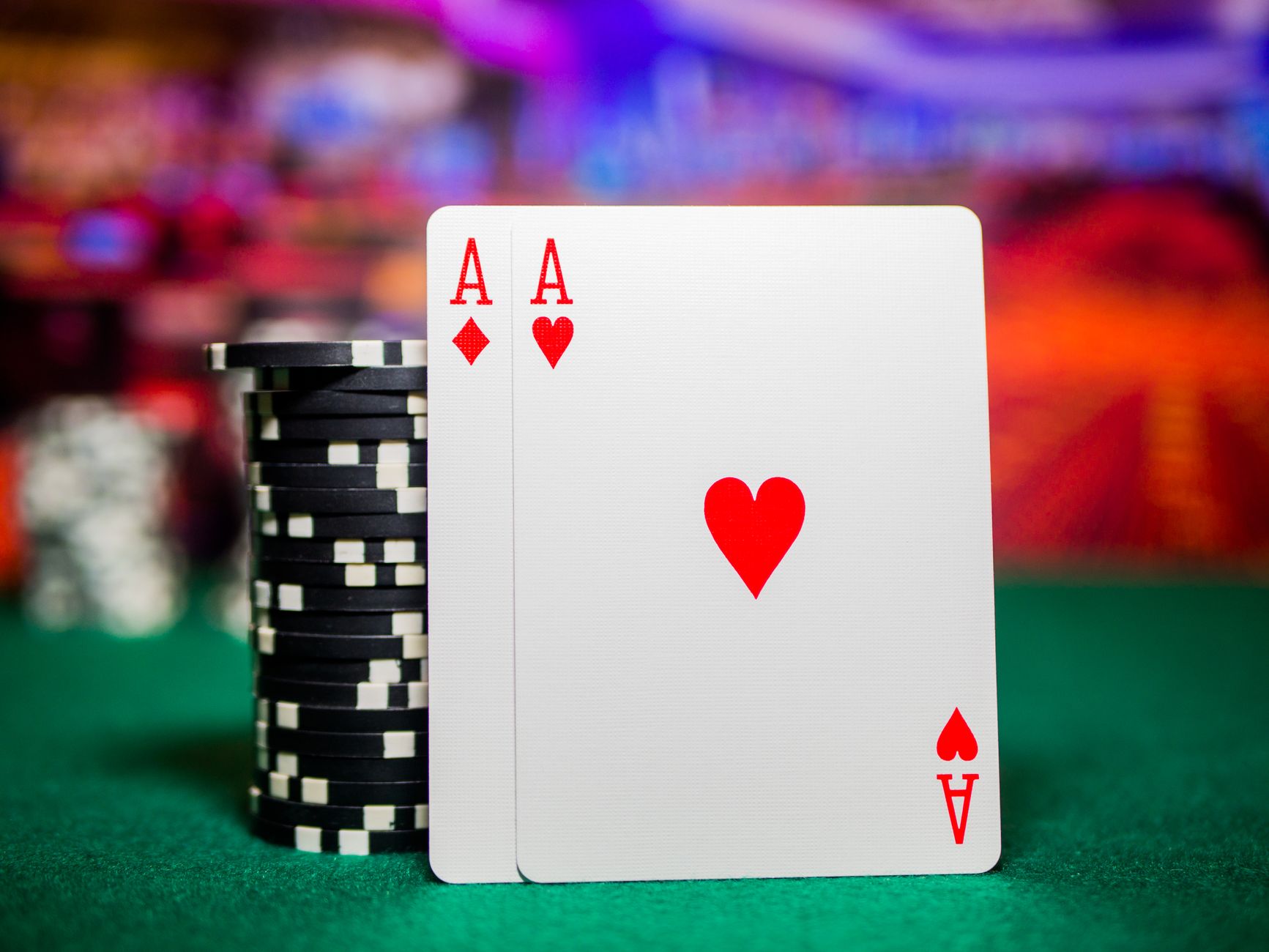
Crash games that suit a blackjack mindset
Not every crash title rewards the same style of thinking. Blackjack fans usually perform best in games that let them set a target, read the pace, and avoid emotional overextension. The following five are strong matches because they combine recognizable pacing with enough statistical tension to keep the session active.
| Game | Provider | Why blackjack fans like it | Math angle |
|---|---|---|---|
| Aviator | Spribe | Simple timing, quick decisions | Common low cash-outs around 1.50x to 2.00x |
| Spaceman | Pragmatic Play | Clear interface, controlled exits | Targeting 1.70x gives a 58.82% break-even win rate |
| JetX | SmartSoft Gaming | Fast rounds, clean risk control | 1.60x target requires 62.5% hit rate to break even |
| Cash or Crash | Hacksaw Gaming | Sharper volatility, strong tension | Higher variance suits cautious stake sizing |
| Mines | Spribe | Decision-driven, closer to table strategy | Risk grows with each safe pick, much like split decisions |
For blackjack fans, Aviator is the cleanest entry point. A $5 stake with a 1.80x exit returns $9, so the net gain is $4. That is easy to process, easy to repeat, and far less chaotic than chasing a 10x peak. Spaceman deserves attention too, because a 1.70x exit on $20 produces $34 gross, which is a $14 profit when the round lands. The arithmetic stays readable even when the pace gets tense.
Cash or Crash is the most aggressive of this group, and that makes it a useful test of emotional control. If you stake $8 and aim for 2.50x, the gross return is $20, but the required hit rate is much lower than in a 1.50x strategy. That gap is exactly where many blackjack players overestimate their edge. They see the upside first and the survival rate second.
Summer bankroll math for June, July, and August
Warm-weather sessions need tighter money management because summer often means longer play windows and more temptation to “just one more round.” A practical rule is to divide a session bankroll into 20 units. If your bankroll is $200, each unit is $10. That keeps a bad run from wiping out the entire plan in the first ten minutes.
Picture a July session with 30 rounds at $10 each. Total exposure is $300. If you cash out at 1.60x on 18 rounds and lose 12 rounds, the gross win side is $288, while the losing side costs $120. The session result is $168 gross from wins minus $120 lost stake, leaving $48 before any broader house effect. That is still positive, but only because the hit rate stayed strong. Drop the win count to 15 and the same plan turns negative fast.
At 1.50x, a player needs to land more than 66.67% of rounds just to break even before edge. That is a high bar, so small targets are safer only when the selection discipline is strict.
August is the month where many players drift. The fix is simple: reduce stake size by 20% when the session length grows by 25% or more. If you planned $10 units for a 20-round session, moving to 24 or 25 rounds should push the unit down to $8. This preserves the same total exposure range of about $200 while giving you more room to absorb variance.
What blackjack fans should measure before pressing spin
Good crash play is less about excitement and more about three numbers: target multiplier, unit size, and stop-loss. If your target is 1.75x, your unit is $12, and your stop-loss is 6 units, the maximum planned loss is $72. That is a firm ceiling. Without it, summer sessions can stretch far beyond what the bankroll can tolerate.
- Set the cash-out first, not after the round starts.
- Keep one unit between 1% and 2% of total bankroll.
- Use a stop-loss of 5 to 8 units for short sessions.
- Track the average exit multiplier after every 20 rounds.
Players who enjoy blackjack usually adapt quickly because they already respect position and probability. A 2.00x target on a $15 stake returns $30 gross and $15 profit. If that target hits 9 times in 20 rounds, the gross profit is $135, but the 11 losses at $15 each total $165, which leaves a negative session result. The lesson is plain: a “good-looking” multiplier does not guarantee a good result unless the win frequency supports it.
By the time September arrives, the smartest players have already learned which crash titles fit their temperament. The best summer sessions are the ones where the math stayed visible, the stakes stayed small, and the exits were chosen before emotion entered the room.